Flood Performance Certificates: England trials planned before any sales requirement
Flood Performance Certificates will be tested in England later this year, with Flood Re aiming to recognise home protection measures alongside exposure to flooding.
What happened
Flood Performance Certificates are due to enter testing in England later in 2026, under a government-backed project being developed by Flood Re. According to plans reported on 15 October 2026, the certificates would give households and property businesses a standard way to assess both flood exposure and a home's ability to withstand flooding. The government has not announced whether sellers or landlords would have to obtain one.
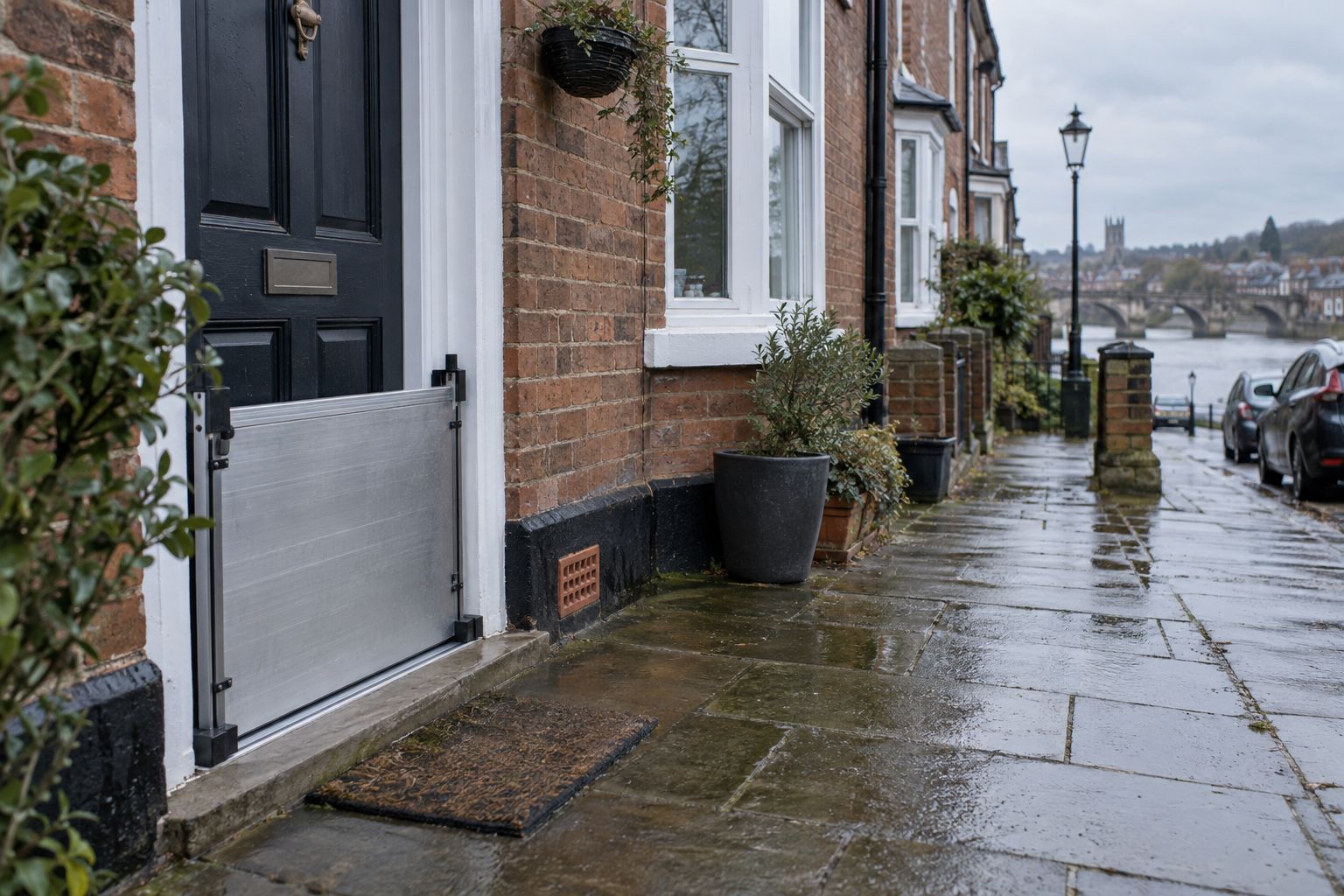
Flood Re's proposed assessment would consider where a property stands, its physical features and the protection it has against flooding. It would also identify work that could limit damage, including flood barriers, self-closing air bricks and water-resistant flooring. That would put information about the building itself alongside information about the risks associated with its location.
A central feature of the proposal is recognition of protection already installed by homeowners, according to Flood Re. Rather than looking only at the likelihood of flooding, the certificate would also show action taken to reduce its consequences. For sellers, that could provide a clearer way to explain improvements to prospective buyers, although the trials have yet to establish how buyers would use that information.
The proposed certificates are similar in concept to Energy Performance Certificates, but would address flooding rather than energy performance. Flood Re intends the information to be useful to homeowners, buyers, insurers and mortgage lenders. The comparison with EPCs does not mean the same legal requirements would apply: the flood certificate project remains at the pilot stage, with further testing planned throughout 2027 and beyond.
The background
The distinction between flood exposure and flood resilience is important to the proposal. A property's location helps determine the hazards it faces, while resilience concerns how the building copes when flooding occurs. Flood Re's proposed approach would bring these considerations together, allowing an assessment to acknowledge protective work without suggesting that the home's location or underlying exposure has changed.
The plans describe a difference from existing flood searches: the new certificates would recognise measures owners have already taken. Flood searches form part of the information buyers can use when investigating a property, but the announcement does not say that certificates would replace them. Nor does it establish that a certificate would remove the need to examine insurance terms or a lender's requirements.
Insurance is a separate consideration from the availability of a mortgage. Buildings cover concerns the structure, while contents cover concerns belongings; neither should be confused with a certificate describing a home's flood performance. For owners preparing to rent out a former home, the wider policy questions are covered in the Property Pulse UK guide to insurance checks before becoming an accidental landlord.
Flood Re has also announced a separate planned insurance change from April 2027: contents premiums under its scheme for properties in Council Tax Bands A and B would fall to £25. The government says lower-income households and renters should particularly benefit, provided insurers pass on the savings. That qualification matters: the announcement is not a promise that every eligible household will receive a total contents insurance bill of £25.
Read moreHome insurance after flooding costs £239 more a year in comparison study
What people are saying
Perry Thomas, chief executive of Flood Re, said the certificates were intended to help households understand their home's resilience and encourage investment in protection. His stated aim is to reduce the effects of flooding by making the available improvements easier to understand. He also wants insurers eventually to recognise protective work when assessing risk and the affordability of cover, rather than treating the certificate simply as additional information.
Aviva supports the proposal, according to Jason Storah, its chief executive of UK and Ireland General Insurance. Storah said a quarter of homes were likely to face flood risk by 2050, and argued that improving resilience mattered to insurers, developers and lenders as well as households. He also highlighted affordable insurance for newer homes outside Flood Re; his comments did not set out a specific premium reduction linked to the certificates.
Robert Stevens, Nationwide's head of property risk, said a common assessment could help homeowners, lenders and insurers make better-informed decisions. He supported providing consistent information about both exposure and possible improvements, rather than announcing a change to Nationwide's lending rules. That distinction separates the proposal from borrowing costs and household budgets, which are examined in Property Pulse UK's coverage of family-home affordability and mortgage rates.
Floods Minister Emma Hardy said households needed clearer information about their own flood risk and the steps available to reduce it. The government's stated ambition is to encourage spending on protection and have lenders and insurers recognise the resulting improvements. These positions establish support for testing the approach, but they do not amount to an agreed system of mortgage concessions, insurance discounts or compulsory certificates.
What happens next
Flood Re says the pilots will examine how homeowners, insurers and lenders understand, assess and use flood information. Testing is due to begin in England later this year and continue through 2027 and beyond. The findings are intended to inform whether the certificates become an established part of the property market; the announcement gives no confirmed date for a wider rollout.
For anyone preparing a sale or letting, the immediate distinction is between a proposed assessment and a legal obligation. The government has not announced that an FPC must accompany either transaction, and the EPC comparison should not be read as confirmation that it will. The published plans also leave open how any eventual certificate would be presented to buyers and how it would fit into the transaction process.
The effect on prices and selling times remains untested. A rating could influence a buyer's view of a property, while evidence of protection could offer reassurance, but neither response is an established result of the pilots. As with the separate evidence on slower sales and asking-price gaps for £2m-plus homes, conclusions about market outcomes would need transaction evidence rather than assumptions about how buyers might behave.
Two different developments now need watching: the certificate trials and the planned April 2027 change to Flood Re's contents premiums. The trials concern the usefulness of risk information, while the premium change concerns insurance costs under the scheme. For households, the unresolved practical questions are whether protective work will affect an insurer's or lender's decision, and whether the announced scheme savings will reach their own policy.
Why this matters
For buyers and homeowners, Flood Re's proposal could make it easier to distinguish a property's exposure to flooding from the protection already in place. Sellers could gain a clearer way to explain improvements, while buyers could receive more consistent information. However, there is no announced sales or lettings requirement, guaranteed insurance discount or confirmed effect on mortgage decisions. Renters may also benefit from the separate April 2027 contents premium change, but only if insurers pass on savings.
Your questions answered
+What is a Flood Performance Certificate?
It is a proposed standard assessment being developed by Flood Re with government support. It would describe a property's flood exposure, recognise existing protection and identify improvements that could reduce damage.
+Will I need a flood certificate to sell my house?
The government has not announced a requirement for Flood Performance Certificates when selling or letting a property. The scheme remains at the pilot stage.
+When will Flood Performance Certificates start?
Flood Re plans to begin testing in England later in 2026, with further trials throughout 2027 and beyond. No confirmed date for a wider rollout has been announced.
+What will a Flood Performance Certificate check?
The proposed assessment would consider location, physical features and resistance to flooding. It would recognise existing protection and suggest measures such as flood barriers, self-closing air bricks and water-resistant flooring.
+Will a flood certificate make my home insurance cheaper?
No certificate-linked discount has been announced. Flood Re wants insurers to recognise resilience improvements over time, but that ambition is not a guaranteed reduction in a household's premium.
+Could a flood rating affect my house price?
The effect on prices is not established. Ratings could influence buyers' decisions, while evidence of protection could reassure them. The trials have yet to show how the information will be used.
+Will Flood Re contents insurance cost £25 in 2027?
Flood Re plans £25 contents premiums under its scheme for Council Tax Bands A and B from April 2027. The government says household benefits depend on insurers passing on savings; this is not a guaranteed £25 total policy price.
+Will flood certificates replace flood searches?
The announcement does not say that certificates would replace existing flood searches. Their proposed distinguishing feature is recognition of measures already taken to protect a property.
This story draws on reporting first published by Property Industry Eye.

David McAllister, Insurance Correspondent
David covers home insurance, premiums and claims. Based in Glasgow, he previously reported on financial services and has written extensively on subsidence and flood cover.