Home insurance after flooding costs £239 more a year in comparison study
Home insurance after flooding averages £437 a year, according to Compare the Market, highlighting a recurring cost buyers should investigate before committing to a property.
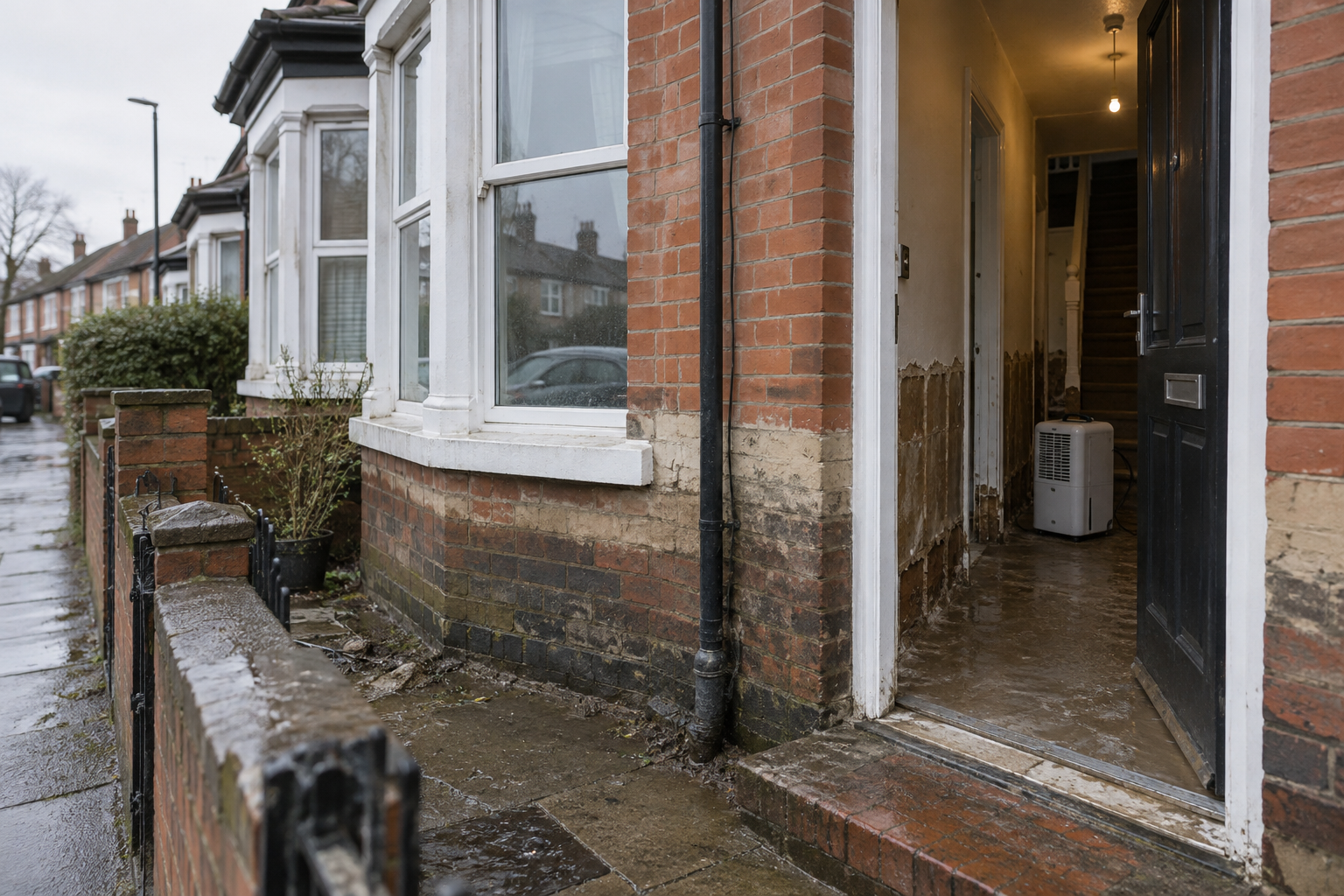
What happened
Home insurance after flooding costs an average of £437 a year, compared with a UK benchmark of £198, according to research by Compare the Market. The £239 difference means households in previously flooded properties paid 121% more than the comparison service’s national average. Insurance Age reported the findings on 30 March 2026.
Northern Ireland recorded the highest average premium for previously flooded homes in January 2026, at £754, according to the research. That figure relates specifically to properties with a flooding history, rather than all homes in Northern Ireland. The available findings do not provide a full regional table or explain the reasons for the higher average there.
Compare the Market also found a smaller price difference for properties located near water, with average annual premiums of £210. That was £12 above its UK benchmark. The published figures do not define how close a property had to be to water, or establish whether this group overlapped with homes that had already flooded.
The findings are a comparison between groups of properties, not a record of how one household’s bill changed after a flood. They therefore do not show that an individual homeowner’s premium rose by 121% following a claim. The report was published in March, so its figures should not be presented as a measure of insurance prices in October 2026.
The background
A history of flooding and proximity to water describe different things about a home. The first records a past event; the second describes its location without, by itself, establishing whether water has entered the property. Compare the Market’s two categories should therefore not be treated as interchangeable when assessing the potential insurance cost of a home beside a river or another body of water.
Home insurance can cover the building, its contents, or both under a combined policy. The available account of this research does not specify the policy mix, sample size or whether its averages represent quotations or policies bought. Those gaps limit comparisons with other benchmarks, including the ABI’s figures for average home insurance premiums, which should not be assumed to measure the same thing.
A property’s flooding history is also separate from its future flood risk: a home need not have flooded before to face a risk of flooding. Property Pulse UK has reported the Environment Agency’s warning about flood-risk awareness in England. For buyers, the distinction makes both the history of the individual building and information about the surrounding area relevant checks.
Insurance cost and the ability to obtain suitable cover are separate questions. Compare the Market’s figures describe premiums but do not establish whether some households were refused insurance or offered policies with restrictions. The separate Aviva warning about insurance uncertainty for new homes in flood-risk areas concerns future access to cover, rather than the premium difference measured in this research.
Read moreFlood risk in England: two million unaware of danger to their homes, agency warns
What people are saying
Compare the Market’s reported finding is that previously flooded properties carry a substantially higher average insurance bill than its national benchmark. Its figures identify an association between flooding history and premiums, but the available report does not isolate flooding from other differences between the properties. It cannot show how much of an individual quote is attributable solely to a previous flood.
The comparison also uses the overall UK average, not a separately identified average for homes that have never flooded. Describing the £239 difference as a charge imposed on every previously flooded home would therefore go beyond the evidence. Likewise, the £198 benchmark is not a price that the research says every household without a flooding history could obtain.
The available source attributes the research to Compare the Market but includes no named spokesperson’s comments or response from an insurer. It also provides no figures for claims payments, policy excesses or the number of households unable to obtain cover. The reported position is therefore about differences in average prices, not a finding about the adequacy of protection or a proposed change to insurance rules.
What happens next
For a household budgeting for a previously flooded property, the practical next step is to obtain quotes for that address rather than use £437 as a forecast. An average combines different properties and policies; it is neither a minimum premium nor a ceiling. The comparison needs to use the cover the household requires, including whether buildings insurance, contents insurance or both are needed.
When seeking a quote, applicants should answer the insurer’s questions about past flooding accurately and distinguish known events from uncertainty. A buyer who lacks details can ask the seller for information before completing an application, rather than treating an absence of paperwork as proof that no flood occurred. The research does not establish a universal period after which insurers stop asking about previous flooding.
The annual premium is only one part of the comparison: policy wording determines what is insured, while the excess sets the amount the policyholder must contribute towards a covered claim. Households should check whether flood damage has a separate excess and whether the policy includes alternative accommodation if the home becomes uninhabitable. Compare the Market’s headline averages do not answer either question for an individual policy.
For buyers, checking insurance before becoming legally committed gives time to investigate an unexpectedly high quote or a restriction on cover. A flood-risk search, a survey and an insurance quotation address different questions, so one should not be treated as a substitute for the others. The relevant budgeting figure is the cost of suitable cover for the intended purchase, not the national premium benchmark.
Existing owners can compare their renewal offer with other quotations using consistent cover levels and excesses. As the separate reporting on renewal quotes and wider home insurance price trends explains, an individual offer need not follow the direction of a headline average. Compare the Market’s March findings provide context for checking a bill, but do not establish what a particular household should pay at its next renewal.
Why this matters
For buyers and homeowners, Compare the Market’s findings highlight an ongoing cost to investigate alongside a property’s flooding history. The reported £239 annual gap is a budgeting warning, not a prediction for every address. Checking suitable cover, the flood excess and any restrictions before committing to a purchase gives a clearer picture than relying on an average. Existing owners should make the same checks when comparing renewal offers.
Your questions answered
+How much is home insurance for a house that has flooded?
Compare the Market found an average annual premium of £437 for previously flooded properties. That is a research average, not a quote or guaranteed price for an individual home.
+How much more does home insurance cost after flooding?
Previously flooded properties averaged £239 more a year than Compare the Market’s £198 UK benchmark, a 121% gap. The research compares groups of homes; it does not measure an individual household’s increase after a flood.
+Is home insurance more expensive near water?
Compare the Market found average annual premiums of £210 for homes near water, £12 above its UK average. The available findings do not specify the distance from water used to define that group.
+Where were premiums highest for previously flooded homes?
Northern Ireland had the highest average premium for previously flooded properties in January 2026, at £754, according to Compare the Market. That figure does not describe all homes in Northern Ireland.
+Does a previous flood mean my insurance will rise by 121%?
No such individual increase is established by this research. The 121% figure compares the average premium for previously flooded properties with an overall UK benchmark, rather than tracking a policy before and after flooding.
+What should I check before buying a house that has flooded?
Obtain insurance quotes for the address and check the flood excess, cover restrictions and alternative accommodation terms. Ask the seller about past flooding and investigate flood risk before becoming legally committed to the purchase.
+Are these the latest home insurance prices for October 2026?
No. Insurance Age published the research on 30 March 2026, and the Northern Ireland finding specifically refers to January 2026. The figures should not be treated as October prices.
This story draws on reporting first published by Insurance Age.

Hannah Greaves, Legal Affairs Reporter
Hannah reports on leasehold reform, freehold rights and property law. She studied law at the University of Bristol before moving into journalism and follows legislation closely as it passes through Parliament.