Barn Close listing protects Stanwix house and its Arts and Crafts interiors
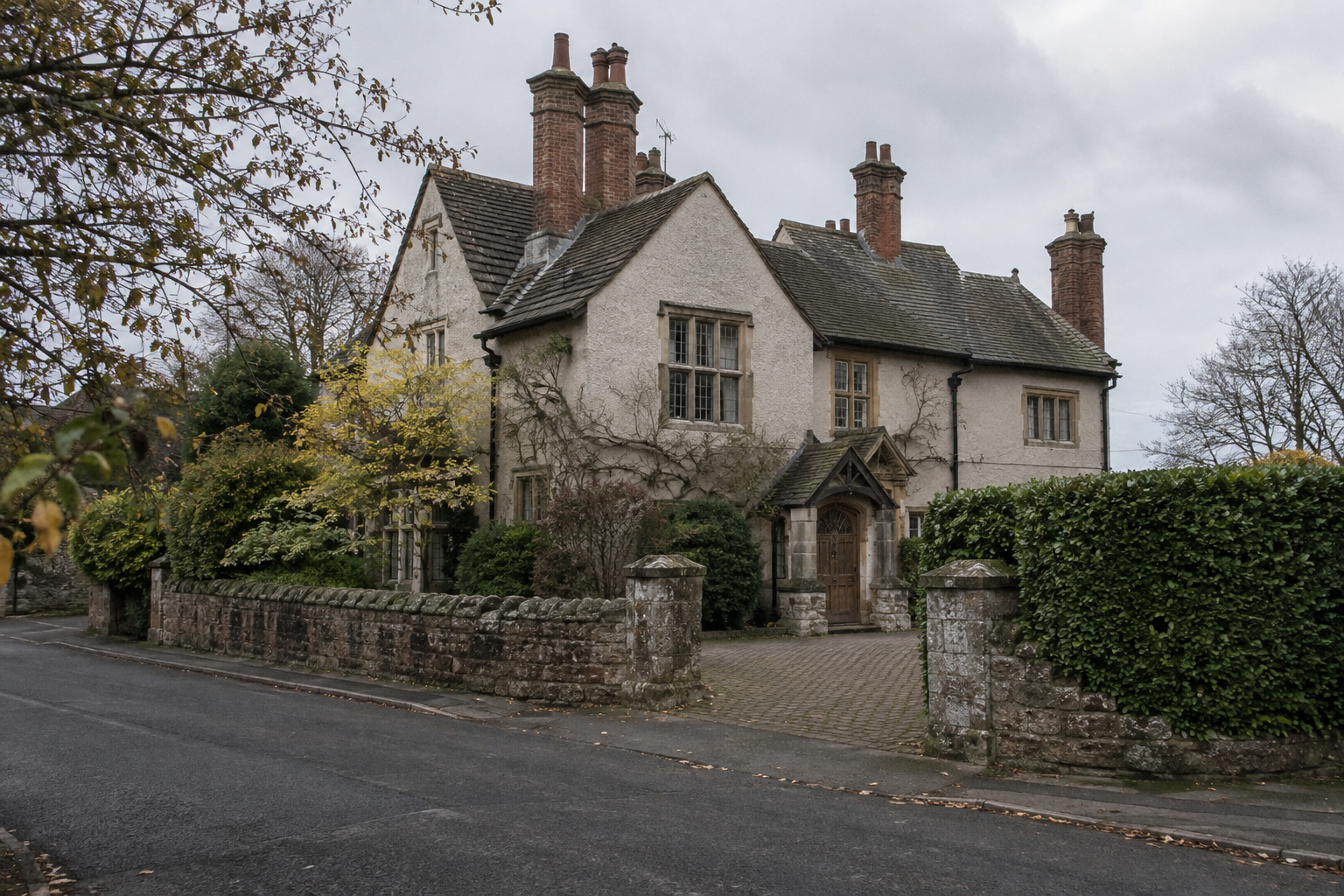
Barn Close in Stanwix received Grade II protection in 2023, recognising its Arts and Crafts architecture and placing its historic character within England’s listed-building controls.
What happened
Barn Close, an Arts and Crafts house on Well Lane in Stanwix, received Grade II listed status, according to a News and Star report published on 1 August 2023. Historic England recognised the building’s architectural significance and surviving interiors. The designation was reported in 2023, rather than being a new announcement in October 2026.
The house dates from 1902 and was designed by Norman Evill for Edwin and Maud Scott-Nicholson, the report said. It began as their family home, with its architecture and decoration shaped by Arts and Crafts principles. Its original purpose was therefore domestic, despite the institutional use it acquired later.
According to the report, J and H Bell built the property, while specialist artist-craftsmen contributed decorative work. Those involved included William Frend De Morgan and George Percy Bankart. Their contributions formed part of a house in which the design of individual features mattered alongside the overall building.
Barn Close subsequently became a residential care home for older people, according to the report. That operation closed in 2021 because of staff shortages, two years before the report of its listing. The account does not establish the property’s occupation or condition today, so the designation should not be read as confirmation that a new use has been secured.
The background
The Arts and Crafts movement developed in Britain in the late 19th century, the report explained. It placed renewed importance on traditional craft skills and drew on medieval, romantic and folk decoration. At Barn Close, Historic England identified that influence in the building’s design, proportions and detailing, rather than simply in objects once displayed inside it.
One detail described in the report is a dining-room fireplace bearing a biblical inscription from the Song of Solomon. The wording refers to flagons and apples and was among the mottoes chosen for the house. Such inscriptions were intended to express the owner’s character and tastes, making decoration part of the home’s personal identity.
Barn Close also housed a collection of furnishings and design work from the first half of the 20th century, according to the report. It included textiles by William Morris, ceramics by De Morgan, and silver cups and covers by Omar Ramsden. These were distinct from the architecture itself, although they contributed to the house’s wider design history.
The report said that collection had been moved to other locations, including Tullie House in Carlisle. It did not say that Tullie House received every item or provide a complete account of where the collection went. The distinction matters because protection for a building does not, by itself, mean that its former contents remain there or are available to visitors.
Under England’s heritage system, Grade II identifies buildings of special architectural or historic interest. Listing is different from a local campaign to retain a building: it brings statutory controls over work affecting its special character. The separate heritage dispute over Reedham House in Manchester illustrates why a building’s significance can become central to decisions about its future.
Read moreScotland’s Places of Worship Fund opens with up to £1m for repair VAT
What people are saying
Historic England’s stated reasons concentrated on architectural interest and the quality of the interiors in the main part of Barn Close. The organisation also highlighted how Arts and Crafts techniques informed the house’s proportions and details. That explanation places importance on the relationship between the rooms, their features and the building’s overall design, rather than treating the exterior as the only valuable element.
The Victorian Society campaigned for listed status, according to the report. Its involvement established a conservation case for formal recognition, but the account did not set out a proposed restoration scheme, funding package or future occupier. Support for designation should therefore be distinguished from a commitment to finance repairs or bring the property back into use.
Julie Minns, described in the August 2023 report as Labour’s candidate for Carlisle, welcomed the decision and praised the building. Her comments reflected support for preserving a locally significant property. They did not amount to an announcement about ownership, public access or redevelopment, none of which was established by the reported response.
What happens next
For anyone considering work at Barn Close, the practical starting point is the statutory list entry and advice from the local planning authority’s conservation team. Under England’s listed-building rules, consent is required for demolition and for alterations or extensions that affect a listed building’s special character. That test is about the effect of the work, not simply its cost or whether it appears modest.
Listed-building protection generally covers the whole building, including its interior, rather than only the features mentioned in a short description. At a house recognised for its rooms and decorative work, an owner should not assume that internal alterations fall outside the controls. Equally, listing does not impose a blanket ban on change: proposals must be assessed against the significance of what would be affected.
Planning permission and listed-building consent are separate approvals, and some projects require both under England’s planning system. Owners should establish the requirements before commissioning work, rather than treating one approval as a substitute for the other. Wider debates about councillors’ role in local planning decisions should not be confused with permission for a particular scheme at Barn Close.
For a prospective buyer of a listed property, conveyancing checks should cover its protected status and the available permissions for previous alterations. A survey and legal enquiries serve different purposes: one examines the building, while the other helps establish its legal position and documentary history. The importance of accurate paperwork also features in HM Land Registry’s work to reduce avoidable conveyancing queries.
Unauthorised work affecting a listed building’s special character can be a criminal offence under English law. Owners should therefore seek advice before removing historic features, replacing materials or starting alterations whose effects are uncertain. For Barn Close specifically, the supplied report contains no later planning application, works timetable or reopening announcement, so it provides no basis for predicting the building’s next use.
Why this matters
Barn Close shows why buyers and owners of period properties need to look beyond the façade. Historic England’s reasons for protection included interiors and craftsmanship, features that can affect decisions about alterations as much as external architecture. Under England’s listed-building rules, protected status brings responsibilities but does not rule out a new use. Anyone assessing such a property should establish what survives, check earlier permissions and seek conservation advice before committing to work.
Your questions answered
+Where is Barn Close in Stanwix?
Barn Close is on Well Lane in Stanwix, Carlisle, according to the News and Star report published on 1 August 2023.
+Why was Barn Close listed?
Historic England recognised its architectural interest, the quality of interiors in the main part of the house, and the Arts and Crafts approach evident in its design, proportions and detailing.
+Who designed Barn Close?
Norman Evill designed Barn Close for Edwin and Maud Scott-Nicholson. It was built in 1902 by J and H Bell, with decorative contributions from craftsmen including William Frend De Morgan and George Percy Bankart.
+When did Barn Close care home close?
The residential care home closed in 2021 because of staff shortages, according to the report. The supplied account does not establish the building’s current occupation.
+Where did the Barn Close furnishings go?
The report said the collection moved elsewhere, including to Tullie House in Carlisle. It did not provide a complete inventory or say that every item went to Tullie House.
+Does Grade II listing protect the inside of a house?
Yes. Under England’s listed-building rules, protection generally includes interiors, not just the exterior or features named in the listing description. Consent is needed for alterations affecting the building’s special character.
+Can you renovate a Grade II listed house?
Listing does not prevent all changes. Work affecting special architectural or historic character requires listed-building consent, and planning permission may also be needed. Owners should consult the local planning authority before starting.
This story draws on reporting first published by News and Star.

Sophie Carrington, Homes & Renovation Writer
Sophie writes about extensions, loft conversions and renovation projects. A former homes magazine sub-editor, she has renovated two Victorian terraces herself and focuses on costs, permissions and avoiding common pitfalls.