Scotland’s Places of Worship Fund opens with up to £1m for repair VAT
Scotland’s Places of Worship Fund offers up to £1m towards repair VAT, with eligible applications considered in arrival order during a pilot ending in March 2027.
What happened
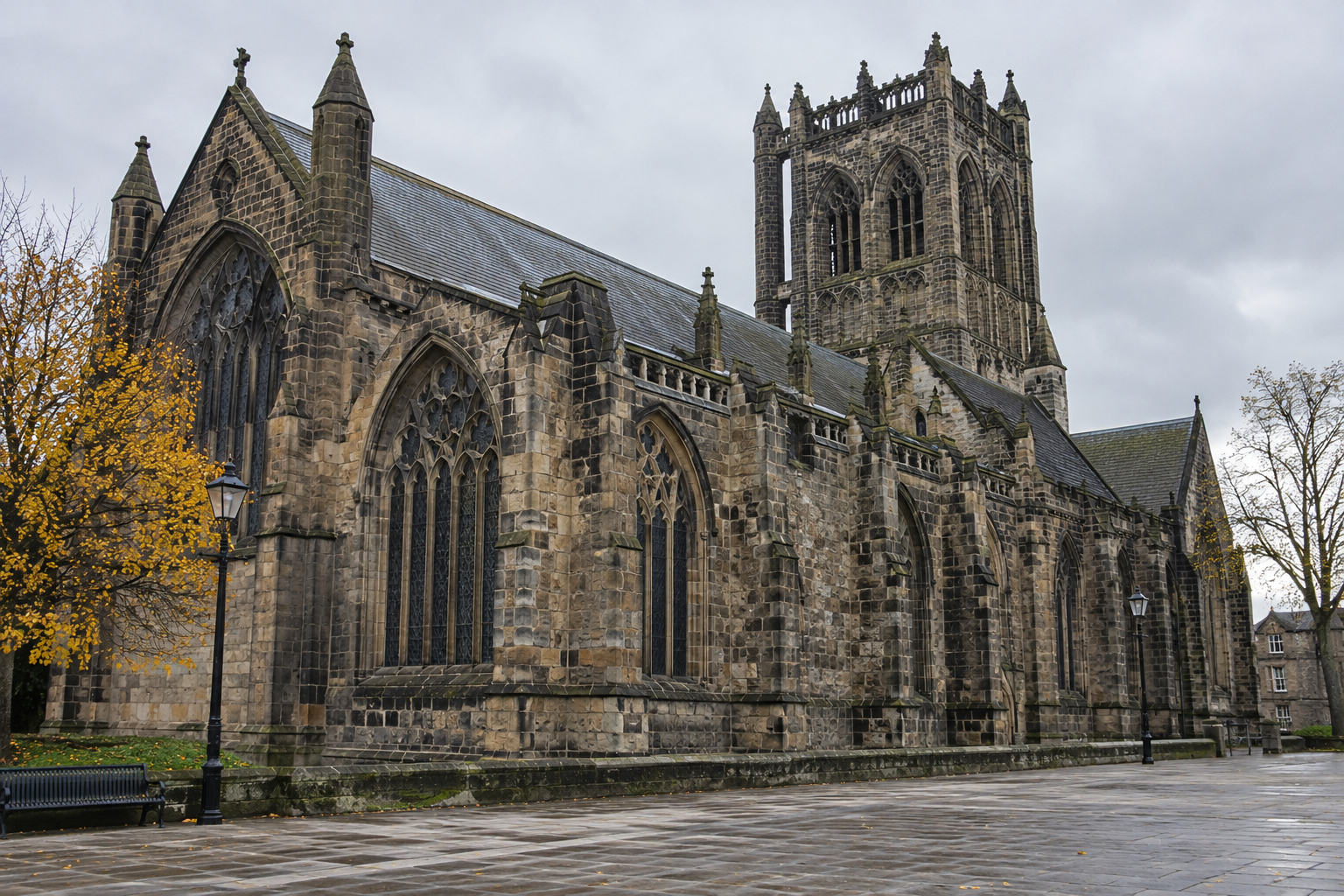
Scotland’s Places of Worship Fund opened on 1 October 2026, offering up to £1m to help listed religious buildings meet VAT costs on repairs and conservation. Historic Environment Scotland (HES), which administers the pilot, says eligible applications will be funded in the order they arrive. The practical issue for those responsible for these buildings is therefore both eligibility and the availability of money when they apply.
HES describes the scheme as support for the VAT element of work, rather than a fund to pay the whole repair bill. Building managers should not treat the £1m announcement as a commitment to finance every part of a project. Their budgets still need to distinguish between the underlying cost of work and any tax costs that the scheme may cover.
The fund is open to listed places of worship throughout Scotland, across all faiths and denominations, according to HES. Its stated scope is not a general grant for older homes or every building used by a community group. For property owners reading the announcement, the important distinction is between a building’s age and its formal listed status and use for worship.
The opening announcement does not state an individual award limit, a minimum project value or how much funding remains available on 18 October 2026. Nor does it provide a detailed list of eligible invoices or works. Applicants should therefore use the scheme’s application information to establish what their particular project can claim, rather than calculate an expected award from the headline budget.
The background
HES says it developed the Scottish pilot following the closure of the UK-wide Listed Places of Worship Grant Scheme. The new funding therefore responds to the loss of an earlier source of assistance with tax costs. Its geographical scope is Scotland, so this announcement does not establish replacement support for buildings elsewhere in the UK.
The money comes from HES’s existing grants budget, according to the organisation, rather than a separately identified new funding allocation in this announcement. HES says the pilot will run until March 2027. Alongside providing assistance, it will measure demand and collect evidence for the Scottish Government to consider possible future funding arrangements.
HES says places of worship can accommodate local activities and services as well as religious gatherings. It also identifies their importance as landmarks and places visited by the public. That gives repair decisions a wider community significance: the people who use or value a building may extend well beyond its congregation or those legally responsible for maintaining it.
As general conservation context, listed status can affect how alterations are planned, and grant support does not replace any consent a project needs. Property Pulse UK’s coverage of the listing of Barn Close in Stanwix examines protection for a different building type, an Arts and Crafts house. The separate Reedham House demolition dispute in Manchester concerns redevelopment rather than this Scottish repair scheme; neither should be read as guidance on eligibility for the fund.
Read moreBarn Close listing protects Stanwix house and its Arts and Crafts interiors
What people are saying
Màiri McAllan, Cabinet Secretary for Education, Culture and Gaelic, said VAT on necessary repairs could make investment harder. She linked the fund to keeping historic religious buildings available for local groups and people needing support. Her comments presented the assistance as a way to sustain community use as well as protect the fabric of the buildings.
McAllan also characterised the Scottish initiative as replacing support withdrawn by the UK Government. That is the Scottish Government’s position as set out in the HES announcement. The release does not include a UK Government response or an explanation from the UK Government of the earlier scheme’s closure.
Stephen Uphill, HES’s interim chief executive, emphasised access across different religious traditions. He referred to a Scandinavian-style church in Ardrossan and a Glasgow mosque occupying a former Arts and Crafts church to illustrate the range of buildings involved. The announcement did not identify either example as a successful applicant or disclose any individual grant awards.
HES says it worked with more than 100 faith-group representatives and stakeholders after announcing the pilot in August 2026, with the aim of making applications easier to understand and use. It has made application information available in Arabic, Gaelic, Polish, Hindi, Urdu and Hebrew. That engagement figure should not be treated as a count of submitted applications, eligible projects or buildings already receiving money.
What happens next
For prospective applicants, the next step is to consult HES’s fund information and establish whether the building and proposed costs qualify. Because HES says allocation follows the order of eligible applications, timing matters within the limited budget. The announced end of the pilot in March 2027 should not be taken as a guarantee that funds will remain available until then.
Those managing a repair programme should also clarify any rules on when work or expenditure can take place before making commitments. The opening release does not specify invoice dates, whether completed work can qualify, payment timing or the evidence an application requires. Those omissions do not establish restrictions, but they do mean the news announcement alone is insufficient for planning a claim.
Funding is only one part of organising work on an older building; suitable expertise and any necessary permissions also need consideration. The related issue of finding appropriate skills is examined in Property Pulse UK’s report on heritage skills gaps and repairs to Scotland’s older homes. That is wider repair context, not an additional condition announced for this fund.
HES says the pilot’s findings will help the Scottish Government consider future arrangements, but the announcement makes no commitment to a successor scheme or a continuing annual budget. Building managers planning longer programmes should distinguish this time-limited offer from funding that has not yet been confirmed. No timetable for publishing the pilot’s findings or announcing a future decision is given in the release.
Why this matters
For people responsible for Scotland’s listed places of worship, the pilot offers help with one defined part of a repair budget: VAT. HES also points to the community activities and services these buildings accommodate, giving nearby residents a stake in their upkeep. The announcement is not a general home-renovation grant, and future support remains unconfirmed. Those planning work need to check the detailed rules and funding position before relying on an award.
Your questions answered
+What is Scotland’s Places of Worship Fund?
It is an HES pilot offering up to £1m towards VAT costs associated with repair and conservation work at listed places of worship in Scotland.
+Who can apply for the places of worship fund?
HES says the fund is open to listed places of worship in Scotland across all faiths and denominations. Applicants need to check the detailed scheme information to establish whether their building and costs qualify.
+Does the fund pay the full cost of church repairs?
No. HES describes support for VAT associated with repair and conservation work, not funding for the entire repair bill. The opening announcement does not state an individual award limit.
+When does Scotland’s Places of Worship Fund close?
HES says the pilot runs until March 2027. Eligible applications receive funding in arrival order, so that end date does not guarantee that money will remain available throughout the period.
+Can mosques and other non-Christian places of worship apply?
Yes, subject to eligibility. HES says the scheme covers listed places of worship across all faiths and denominations, rather than churches alone.
+Why has Scotland introduced this repair VAT fund?
HES says it developed the pilot in response to the closure of the UK-wide Listed Places of Worship Grant Scheme. The money comes from HES’s existing grants budget.
+Will the fund continue after March 2027?
No continuation has been confirmed in the announcement. HES says the pilot will assess demand and gather evidence to help the Scottish Government consider possible future funding arrangements.
This story draws on reporting first published by Historic Environment Scotland News.

Priya Raman, Environment & Homes Reporter
Priya reports on how weather and climate affect British homes, from flooding to drought-driven subsidence. She trained at Cardiff University's school of journalism and has covered environment stories across Wales and the South West.