Lundy water shortage forces limits on visitors and holiday accommodation
The Lundy water shortage has disrupted holiday accommodation and daily life for 28 residents, with emergency supplies providing relief while managers plan additional storage.
What happened
The Lundy water shortage has restricted how residents and holidaymakers use bathrooms and reduced the number of visitors allowed onto the island. In a report published on 11 October 2026, the Guardian said a prolonged dry spell had forced managers to close the campsite and bring in water by boat.
The island lies about 10 miles off north Devon and has 28 residents, according to the report. Its holiday accommodation can house up to 110 people, placing visitors alongside permanent residents among those affected by the shortage. The Guardian reported discussion of evacuation, but did not describe an evacuation order or a confirmed departure plan.
Island manager Matt Scantlebury told the Guardian that stored supplies had dropped to 13% capacity roughly a fortnight before publication. He said that represented enough water for about a week. Emergency deliveries arrived aboard the island’s boat, MS Oldenburg, in containers holding 1,000 litres each.
Restrictions extended beyond the campsite, according to the Guardian: toilets at the Marisco Tavern were closed and bath plugs were removed from holiday properties. People were also asked to reduce toilet flushing. The report said visitor numbers had been limited, without giving a revised daily allowance or a reopening date for the campsite.
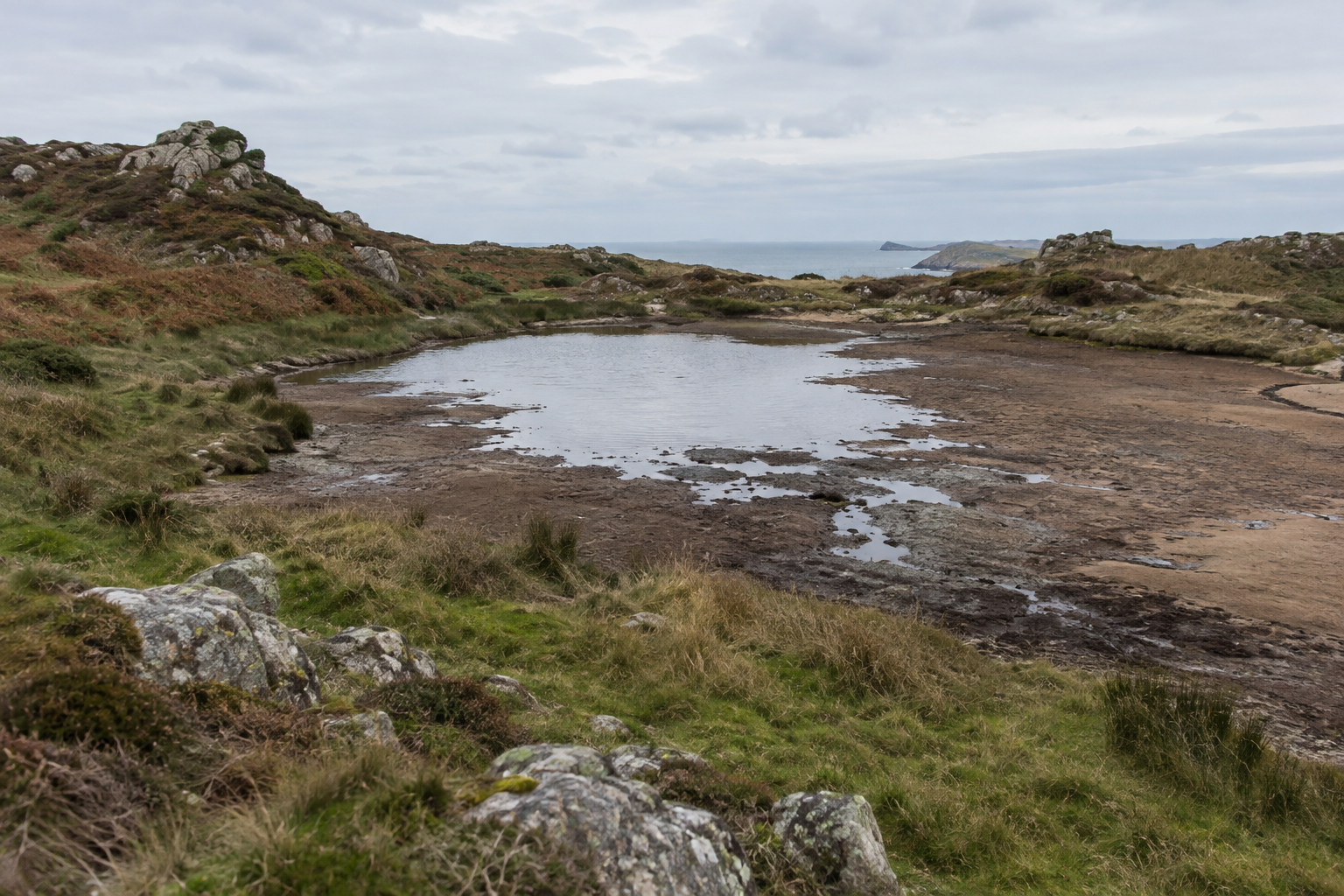
Scantlebury said approval to use water from Pondsbury, one of Lundy’s freshwater pools, arrived on the day supplies reached their lowest point. Transfers of about 12,000 litres a day subsequently helped lift storage to 22.5%. However, he warned that the pool itself was becoming depleted, leaving the island dependent on another limited source.
The background
Lundy’s supply comes from rainfall and five boreholes, according to the Guardian’s account. Its largest rainwater collection area is in the south of the three-mile-long island. Water flows towards a tank near the harbour before being pumped uphill to storage tanks and a purification plant near the old lighthouse.
The Guardian reported that Lundy had received no significant rainfall since the beginning of May 2026. Assistant warden Tara McEvoy-Wilding described an hour of torrential rain in August, but said the exceptionally dry ground meant water ran off the island. Her account illustrates why a brief downpour did not necessarily provide useful replenishment.
The island is owned by the National Trust and managed by the Landmark Trust, according to the report. Its emergency response therefore involves both keeping a small residential community supplied and managing demand from holiday accommodation and day trips. Closing facilities and limiting arrivals were among the measures reported, rather than relying on residents alone to cut consumption.
The Lundy account sits alongside wider reporting on low reservoirs and pressure on England’s household water supplies. However, the figures Scantlebury supplied describe Lundy’s own storage system, not a mainland reservoir or water-company network. They should not be treated as a measure of how much water households elsewhere have available.
There is also a distinction between Lundy’s local restrictions and the proposed business water bans intended to protect supplies in England. The Guardian described operational decisions affecting island facilities and visitors. Its report did not identify these measures as a statutory hosepipe ban or set out a wider legal restriction on domestic water use.
Read moreFlood risk in England: two million unaware of danger to their homes, agency warns
What people are saying
Scantlebury presented the immediate improvement in storage as temporary relief rather than a settled solution. Speaking to the Guardian, he said: “We know we have to find ways of future proofing ourselves.” At the time of that report, he said substantial rain was still absent from the forecast; that was not an updated forecast for 17 October.
Island engineer Tristan Howes emphasised preventing avoidable losses from the small remaining supply. He told the Guardian: “A dripping tap can lose a lot of water.” He also warned about the consequences of a broken pipe, making maintenance another part of the response alongside restrictions on use.
Conservation farmer Tom Carr, who looks after Lundy’s sheep, cattle and ponies, linked the problem to hotter, drier summers and the island’s geography. He told the Guardian that approaching rain clouds often appeared to divide around the island. That was his explanation of local conditions, rather than a formal scientific attribution study of this particular shortage.
McEvoy-Wilding said residents had adjusted their routines, including taking shorter showers and flushing toilets less often. The Guardian also reported staff collecting shower water in buckets for later toilet flushing. These accounts describe practices adopted during Lundy’s shortage, rather than a published set of instructions for households across the UK.
The Guardian’s interviews with visitors suggested that some were willing to adapt their trips. One day-tripping couple brought drinks and hydration tablets, while another couple staying for an anniversary brought wet wipes to reduce water use. Those individual responses show how some guests prepared, but the report did not include a wider visitor survey or figures for cancellations.
What happens next
Scantlebury said a new tank with capacity for 300,000 litres had been ordered to strengthen future storage. The Guardian report did not give a delivery date, installation timetable or cost. Additional tank space can hold more water when supplies are available, but it does not itself generate water during a prolonged dry period.
A desalination plant, which would turn seawater into a usable supply, had also been suggested, according to Scantlebury. He said it would be expensive and would probably require more energy than the island could produce. The report described an option under discussion, not an approved installation with funding or a completion date.
For anyone with a Lundy booking, the practical questions are whether their accommodation is operating and which facilities remain available. The restrictions reported on 11 October affected camping, bathing and some toilets differently. The source did not set out cancellation rights, refunds or alternative accommodation arrangements, so it provides no basis for promising a particular booking outcome.
For property owners elsewhere, water availability is a separate concern from the building damage that dry weather can cause. Property Pulse UK has also reported a specialist’s forecast of drought-related subsidence claims. The Guardian’s Lundy report did not identify subsidence damage, repair claims or changes in insurance cover on the island.
The account provides no confirmed date for restoring unrestricted use of facilities or ending emergency supply measures. Nor does it establish whether the storage percentage changed after 11 October. Until a later operational update is available, the reported tank levels, visitor restrictions and discussion of evacuation remain a dated account rather than confirmation of conditions on 17 October.
Why this matters
Lundy’s experience shows how a water shortage can affect whether accommodation and everyday facilities remain usable, not just how much water people consume. The Guardian reported changes to bathing, toilet use, camping and visitor access while managers sought additional supplies. For people with island bookings, those operational details matter more than a storage percentage alone. For homeowners elsewhere, the case illustrates the importance of understanding a property’s water source without assuming that Lundy’s restrictions apply to mainland homes.
Your questions answered
+Why is Lundy short of water?
The Guardian reported no significant rainfall since early May 2026. Lundy depends on rainwater and five boreholes, and manager Matt Scantlebury said stored supplies had fallen to 13% capacity.
+Is Lundy closed to visitors because of the water shortage?
The Guardian’s 11 October report described visitor limits and a closed campsite, not a complete closure of the island. It did not give a revised visitor allowance or confirm conditions after publication.
+Are people being evacuated from Lundy?
The Guardian reported discussion of evacuating the island’s 28 residents. It did not report an evacuation order, a confirmed timetable or residents being moved off the island.
+What water restrictions affect Lundy holiday cottages?
According to the Guardian, bath plugs were removed from holiday accommodation and people were asked to reduce toilet flushing. The report also described short showers and staff collecting shower water for flushing.
+Where does Lundy get its drinking water?
Lundy normally relies on rainwater and five boreholes, according to the Guardian. During the shortage, supplies were supplemented by boat deliveries and water from Pondsbury after its quality was approved for use.
+Will Lundy get a desalination plant?
Desalination had been suggested, but no approved project was reported. Manager Matt Scantlebury said it would be expensive and would probably need more energy than the island could produce.
+When will Lundy’s water supply return to normal?
The Guardian report gave no recovery date. A 300,000-litre storage tank had been ordered, but its delivery and installation dates were not provided, and the temporary Pondsbury supply was becoming depleted.
This story draws on reporting first published by Guardian Drought.

Sophie Carrington, Homes & Renovation Writer
Sophie writes about extensions, loft conversions and renovation projects. A former homes magazine sub-editor, she has renovated two Victorian terraces herself and focuses on costs, permissions and avoiding common pitfalls.