Home renovation plans for 2024 put insurance checks in focus
Home renovation plans covered 32% of UK homeowners in research reported in January 2024, with Confused.com urging households to check insurance before work starts.
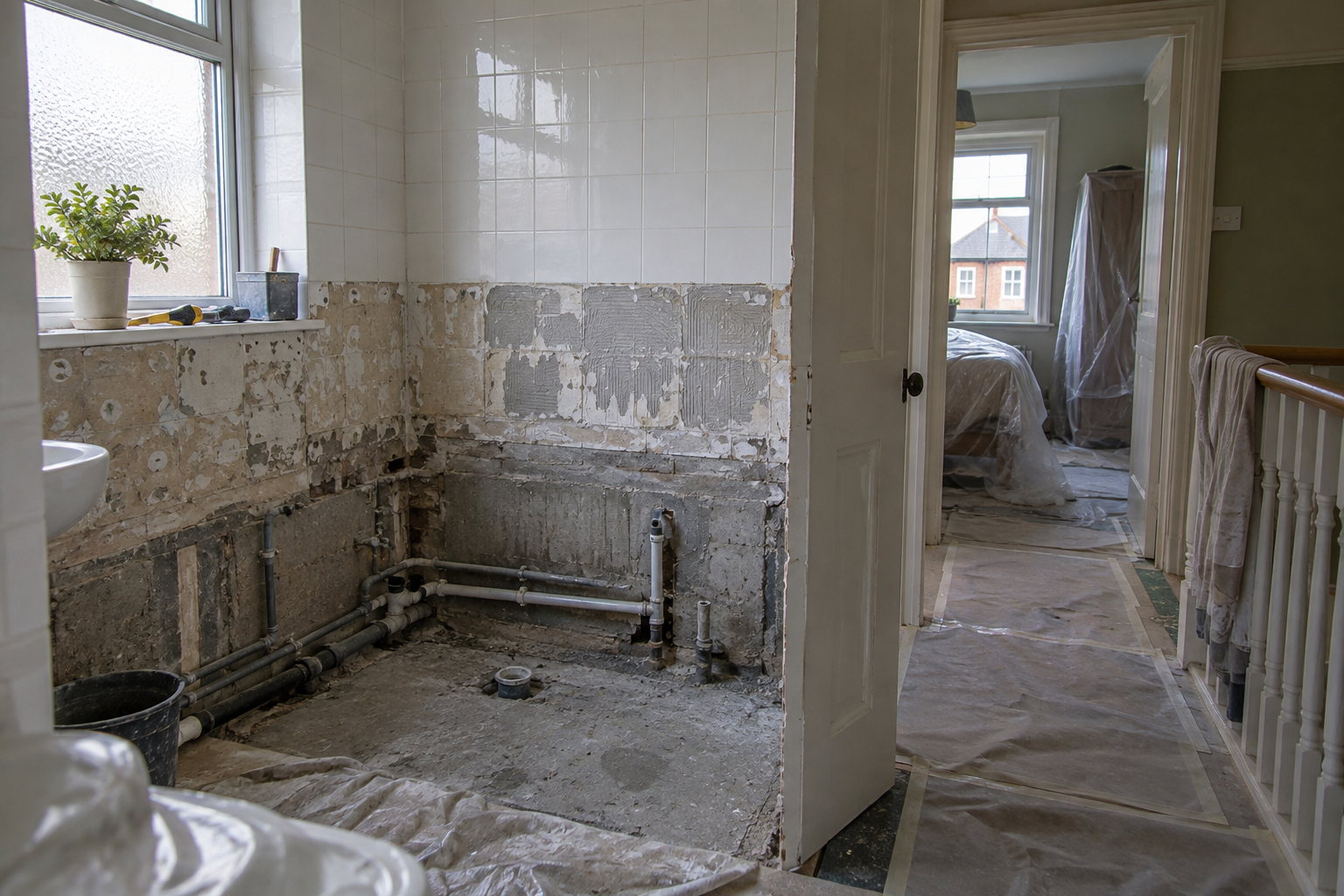
What happened
Home renovation plans featured in the year ahead for 32% of UK homeowners, according to Confused.com home insurance research reported on 5 January 2024. The findings concerned intended major projects in 2024, rather than work already completed. They are historical figures and should not be read as a measure of renovation demand in October 2026.
Updating the property was the leading reason for taking on work, cited by 48% of renovators in the Confused.com findings. Maintenance problems accounted for 29%, while 9% identified improving the property's resale value as their motivation. Those figures describe why respondents wanted to renovate; they do not establish whether the projects subsequently improved their homes or increased their selling prices.
Bathrooms led the list of intended projects at 33%, followed by kitchens at 28% and exterior improvements at 26%, according to Confused.com. The published account did not give spending estimates for those categories. It therefore offers an indication of the work homeowners were considering, but not a budget benchmark for anyone commissioning similar improvements.
Alongside the findings, Confused.com home and lifestyle expert Matthew Harwood advised households to check insurance and make arrangements with contractors before starting. The published account did not supply the survey's sample size, fieldwork dates or a detailed definition of a major renovation. Those omissions limit how precisely readers can assess the reach of the findings or compare them with other surveys.
The background
Harwood's insurance advice concerned the period when work is taking place, not simply the condition of the finished home. He said major building projects bring a greater risk of damage and other problems. His recommendation was to establish what protection applies during the work, rather than assume that an existing household policy deals with every aspect of a renovation.
In general UK insurance terms, buildings cover concerns the structure of a property, while contents cover concerns belongings. A renovation can involve both: work may affect part of the building while furniture and personal possessions remain nearby. Harwood's advice addressed both questions, combining a policy check with practical steps to move or secure valuables.
Insurance is also separate from any permission needed for the work. As general UK context, planning permission and building regulations serve different purposes, and some alterations may need approval even where the homeowner already has buildings insurance. The Confused.com findings did not identify the precise work respondents intended, so they cannot establish which permissions any individual project would require.
The same broad project label can cover different decisions about a home. A kitchen upgrade, for example, does not by itself explain whether a household intends to replace fittings or change the space more substantially. For readers considering how rooms will function after work, Property Pulse UK's separate report on daylight and summer comfort in renovation plans addresses another aspect of project preparation.
Older and protected buildings bring additional considerations beyond choosing new finishes. As general context, listed building consent may be required for alterations affecting a listed building's special character, and repair methods need to suit the building. The separate coverage of heritage skills and repairs to Scotland's older homes is relevant to owners whose projects involve traditional construction.
Read moreHome insurance after flooding costs £239 more a year in comparison study
What people are saying
Harwood's central recommendation was to contact the home insurance provider and explain the proposed renovation. He said an existing policy might already cover the work, but homeowners should check rather than leave that question unresolved. His advice did not suggest that every project requires a replacement policy or that every standard policy excludes building work.
On choosing contractors, Harwood recommended looking for people qualified to undertake the particular job. He suggested checking online reviews and seeking recommendations from friends or neighbours. These were proposed checks before appointment, rather than evidence that any named contractor or trade organisation had been assessed by Confused.com.
Harwood also encouraged homeowners to obtain quotations from reputable local tradespeople. His reasoning was that businesses working locally have an interest in protecting their reputation. The published advice did not specify how many quotations to obtain, set a price threshold or provide evidence comparing the quality of local contractors with firms based further away.
A clear plan was another priority in Harwood's advice, particularly where several tradespeople would be involved. He recommended identifying responsibilities before work begins, so each person understands their part in the project. He also highlighted access arrangements, treating who can enter the home and when as something to agree in advance rather than leave to day-to-day assumptions.
What happens next
For a household preparing work, Harwood's suggested starting point was to define the areas being altered and the tasks required at each stage. That gives the project a scope against which the homeowner and contractors can discuss their responsibilities. Where several trades are involved, his recommendation was to make those roles explicit before the work gets under way.
Harwood advised agreeing an expected timetable with the professionals carrying out the renovation. He also recommended settling how and when contractors could enter the property, including arrangements when the owner was absent. The published guidance gave no standard project duration, so it should not be used to estimate how long a bathroom, kitchen or exterior job will take.
Before work starts, Harwood recommended moving valuable furniture away from the renovation area where possible. He also advised putting small valuables, including jewellery, somewhere secure if contractors would have access while the homeowner was out. Those steps were intended to reduce exposure to damage or theft alongside, rather than instead of, checking the insurance position.
The insurer should be asked what the existing policy covers during the proposed work, according to Harwood. He said homeowners might need renovation insurance, which he described as a form of buildings cover for the renovation period. The advice did not identify a product, premium or universal level of cover, leaving the answer dependent on the work and the policy concerned.
The research also supplied no financing terms or evidence that respondents had secured money for their projects. Readers considering energy-related improvements can consult the separate account of retrofit mortgage and social housing finance schemes reported in 2024, while noting its historical date. Neither that coverage nor the renovation intentions reported here establishes which borrowing products are available to a particular household today.
Why this matters
For homeowners, the practical issue raised by Confused.com's advice is whether insurance and working arrangements match the renovation being undertaken. A planned improvement can involve the building, belongings and access by several contractors. Checking cover, defining responsibilities and protecting valuables addresses different parts of that risk. The 2024 figures provide historical context for renovation intentions, but they offer neither a current cost guide nor evidence that spending on improvements will increase a property's value.
Your questions answered
+How many UK homeowners planned renovations in 2024?
Confused.com research reported on 5 January 2024 found that 32% of UK homeowners planned major renovations that year. The figure measured intentions, not completed projects.
+What were the most popular home renovations for 2024?
Confused.com reported bathrooms at 33%, kitchens at 28% and exterior improvements at 26% in its findings on planned projects.
+Why were homeowners planning to renovate?
Modernising the home was cited by 48% of renovators, addressing maintenance issues by 29% and increasing resale value by 9%, according to Confused.com.
+Do I need to tell my home insurer about renovation work?
Confused.com's Matthew Harwood advised contacting the insurer before work starts. He said an existing policy might cover the project, but homeowners should check what protection applies.
+Do I need separate renovation insurance?
Not necessarily. Harwood said existing insurance might cover the work, but some homeowners may need renovation insurance. His advice was to ask the provider about the scope of the current policy.
+How should I check a builder before renovating?
Harwood recommended finding contractors qualified for the work, checking online reviews, asking friends or neighbours for recommendations and obtaining quotations from reputable local tradespeople.
+How can I protect my belongings during a renovation?
Harwood advised moving valuable furniture away from the work area where possible. He also recommended securing small valuables such as jewellery if contractors could enter while the homeowner was away.
+Are these renovation figures current for 2026?
No. The findings were reported in January 2024 and concerned plans for that year. They do not show current renovation demand or how many projects were ultimately completed.
This story draws on reporting first published by PropertyWire.

Robert Ashdown, Period Property Specialist
Robert writes about caring for older, listed and period homes, including damp, structural movement and conservation rules. He has reported on heritage and housing for over fifteen years.