Heritage at risk register adds Hastings Castle and Dickens’ chalet
The heritage at risk register has gained 197 sites, with Historic England highlighting weather damage, fragile timber buildings and the need for repair funding.
What happened
The heritage at risk register has gained 197 historic places, including Hastings Castle in East Sussex and Charles Dickens’ writing chalet in Rochester, Kent. Historic England’s update, reported on 5 November 2026, identifies buildings and landscapes facing deterioration or damage. For owners of older properties, the cases show how exposure, fragile materials and unresolved repairs can threaten historic fabric.
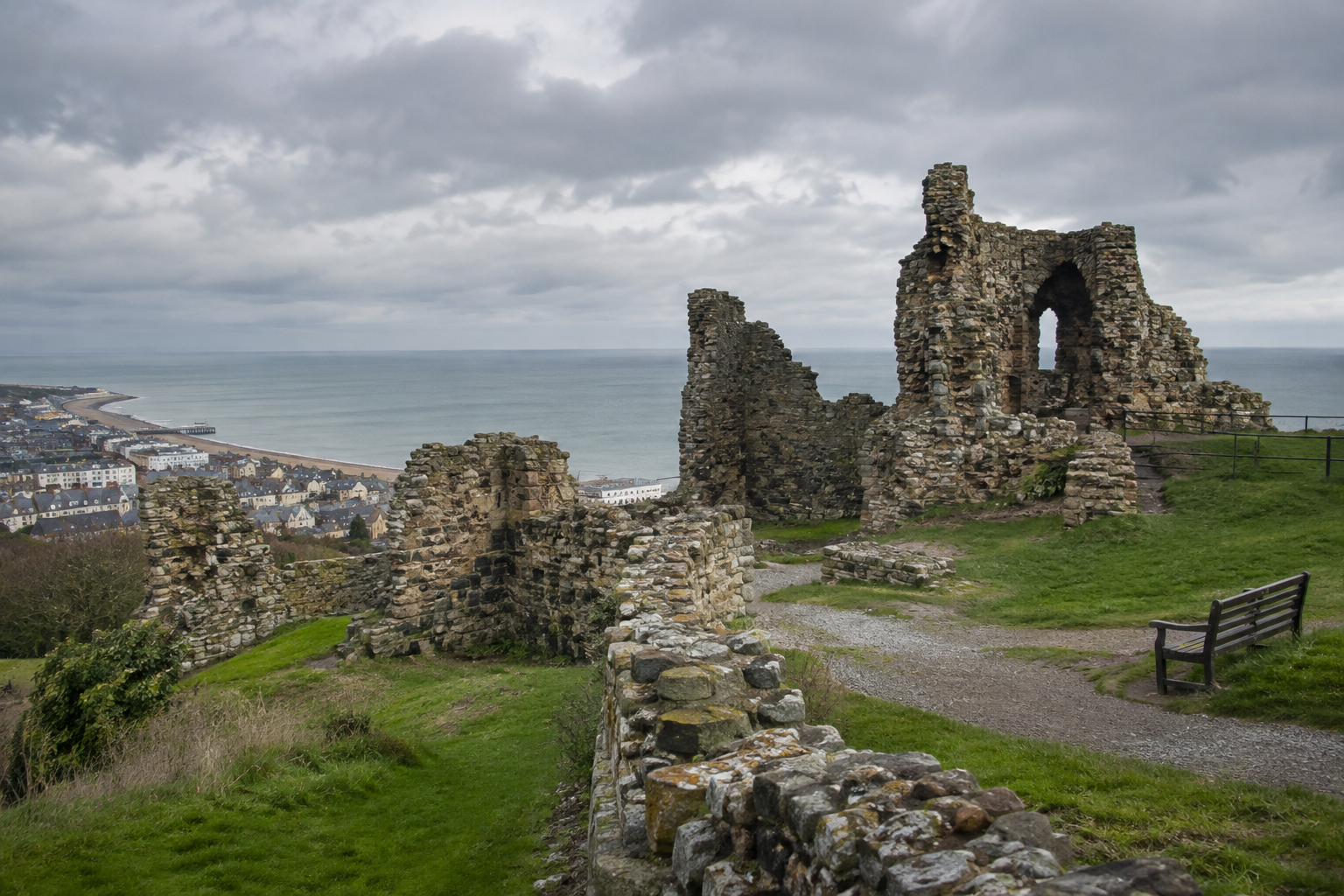
At Hastings Castle, Historic England says extreme weather has made sections of the ruins vulnerable. The organisation identifies the exposed coastal location and erosion as longstanding influences on the site’s condition. The concern is therefore not simply the age of the masonry, but the pressures acting on a structure that has endured centuries beside the sea.
The two-storey wooden chalet used by Dickens has entered the register because Historic England considers it fragile and in need of repair. Its inclusion brings a small, domestic-scale building into the same national assessment as castles and extensive landscapes. The reported update does not give a repair budget or completion date for the chalet.
Hall’s Croft in Stratford-upon-Avon, Warwickshire, is another addition, according to Historic England. The 17th-century timber-framed house needs funding for its exterior, including work on damage caused by a vehicle strike. Bidston windmill in Wirral, Merseyside, also requires urgent repairs, although a local friends group continues to keep the 18th-century building open.
The register also now includes Fylingdales Moor in North Yorkshire following a wildfire in 2025. North Yorkshire Fire and Rescue Service put the affected area of moorland and forest at about 25 square kilometres. Historic England says the fire had substantial consequences for the natural environment and for thousands of people living and working nearby.
The background
Hastings Castle was among the fortifications commissioned by William the Conqueror after the Norman invasion of 1066, according to the site history accompanying the update. Its purpose was to strengthen his control of England’s south coast. That military setting explains its prominent coastal position, which Historic England now identifies as an important factor in the ruins’ exposure.
Dickens’ chalet originally stood in the garden of his home at Gads Hill Place in Higham, Kent. The account published with the register update describes it as a separate place where he could write without interruption. He is also thought to have used mirrors there while developing characters and preparing for public performances.
The chalet moved to its current Rochester location in the 1960s, according to the same account. Hall’s Croft has a different literary connection: it was the home of William Shakespeare’s daughter. These histories explain why the register’s latest additions extend beyond architectural landmarks to buildings associated with the lives and working habits of important writers.
Almost 5,000 sites remain on the register, Historic England says, including about 1,500 secular buildings and 1,000 places of worship. Three battlefields and four wrecks are also included. Those figures underline the register’s breadth: it is not simply a list of houses needing renovation, and its entries can require very different kinds of investigation and conservation.
As general context, being listed for architectural or historic interest is different from being identified as at risk. Listed-building consent may be required for alterations affecting a protected building’s special character, even when the owner intends to improve it. Property Pulse UK’s guide to Historic England’s advice on listed-building energy upgrades explains why consent checks matter before work begins.
Read moreDavid Parr House blue plaque to honour Cambridge’s skilled Victorian workers
What people are saying
Emma Squire, Historic England’s joint chief executive, said the range of additions demonstrated that even well-known and highly valued places could face deterioration or loss. She acknowledged that people might be surprised to see prominent sites included. Her comments challenge the assumption that public recognition alone guarantees the resources or intervention needed to keep a historic building secure.
Squire identified extreme weather and coastal erosion as recurring concerns. She also said water entering buildings and subsidence were appearing more frequently as weather patterns changed. Historic England’s assessment points to several forms of physical damage, rather than one uniform problem across the register; the repair response must therefore depend on the condition of each individual site.
Heritage minister Fiona Twycross said the register illustrated pressures ranging from ageing structures and physical deterioration to extreme weather. Her response placed routine building condition alongside environmental threats. For property owners, that distinction matters: a highly visible storm or fire can cause damage, but gradual deterioration can also leave a building needing substantial conservation work.
Historic England also highlighted successful removals, including Newlyn harbour in Cornwall. Local specialists restored granite structures and 19th-century wrought-iron railings at the fishing port, according to the organisation. The example puts the focus on repairing existing materials, an approach also explored in Property Pulse UK’s coverage of the award-winning conservation work at St Andrew’s Chapel.
At 810 Tottenham High Road in Haringey, north London, Historic England credited Tottenham Hotspur FC with rescuing a Georgian terrace house from dereliction, supported by the National Lottery Heritage Fund. The building now accommodates artists’ studios, galleries and a cafe. It offers a practical example of reuse, a subject covered in Historic England’s guidance on vacant buildings and housing, although this particular project is not residential.
What happens next
Historic England says it is working with the North York Moors National Park Authority to assess the wildfire damage at Fylingdales Moor using drones. That work concerns understanding the effects of the fire across the landscape. The reported update does not provide a completion date for the assessment or set out a fully costed programme of subsequent works.
For Hall’s Croft, Historic England identifies funding for exterior repairs as an outstanding need. At Bidston windmill, the friends group’s work to maintain public access sits alongside the requirement for urgent repairs. Neither continued opening nor a place on the register should be read as confirmation that the necessary repair funding has already been secured.
Historic England reports spending more than £12m on grants for support and repairs at 135 registered sites during 2025–26. That is spending across a group of projects, not a funding allocation for each of the latest additions. Owners considering substantial work should also distinguish project funding from insurance arrangements; renovation insurance checks address a separate part of preparing a building project.
The organisation says 85 sites have been removed from the register after being secured, including Edward Jenner’s hut in Berkeley, Gloucestershire. The rustic summerhouse is described in the update as the location of the world’s first vaccination clinic. Its removal, alongside the harbour and Tottenham house, shows that successful intervention can involve very different building types and uses.
For someone buying a period property, the general distinction is between understanding its protection and understanding its condition. A register entry is not a substitute for a survey of the particular building, while listed status can affect what alterations are permitted. Buyers should establish both before committing to repairs or improvements, rather than treating heritage recognition as evidence that the fabric is sound.
Why this matters
For buyers and owners of period homes, Historic England’s update highlights the difference between a building’s historic value and its physical condition. The organisation identifies weather exposure, water ingress and structural deterioration among the pressures affecting heritage. Understanding repair needs, consent requirements and funding arrangements is therefore important before taking on an older property. The successful removals also provide evidence that targeted repairs and suitable new uses can help bring threatened buildings back into lasting use.
Your questions answered
+Why is Hastings Castle on the heritage at risk register?
Historic England says extreme weather has left sections of the ruins vulnerable. The castle’s exposed setting and coastal erosion have also influenced its condition over time.
+Where is Charles Dickens’ writing chalet?
The chalet is in Rochester, Kent. It originally stood at Dickens’ home at Gads Hill Place in Higham and moved to Rochester in the 1960s.
+Why does Dickens’ chalet need repairs?
Historic England considers the two-storey wooden building fragile and in need of repair. The reported update does not provide a repair budget or completion date.
+How many places are on the heritage at risk register?
Almost 5,000 sites remain, according to Historic England. They include about 1,500 secular buildings, 1,000 places of worship, three battlefields and four wrecks.
+Which places have left the heritage at risk register?
Historic England reported 85 removals. Examples include Newlyn harbour in Cornwall, the Georgian house at 810 Tottenham High Road in London and Edward Jenner’s hut in Berkeley, Gloucestershire.
+Does Historic England fund repairs to buildings at risk?
Historic England says it spent more than £12m on grants for support and repairs at 135 registered sites during 2025–26. That figure does not establish funding for each newly added site.
+Is being on the heritage at risk register the same as being listed?
No. Listing recognises a building’s architectural or historic interest. The at-risk register identifies concerns about historic places. Listed-building consent may be needed for alterations affecting a protected building’s special character.
This story draws on reporting first published by Guardian Heritage.

Eleanor Whitfield, Property Correspondent
Eleanor covers the UK housing market, from monthly price indices to regional trends. She previously reported on business and economics for regional newspapers in Yorkshire and holds a degree in economics from the University of Leeds.