St Andrew’s Chapel retrofit wins award for conservation-led repair
St Andrew’s Chapel retrofit has won a national conservation award, with SPAB reporting that the seven-year Kent project also provided practical training for around 100 specialists.
What happened
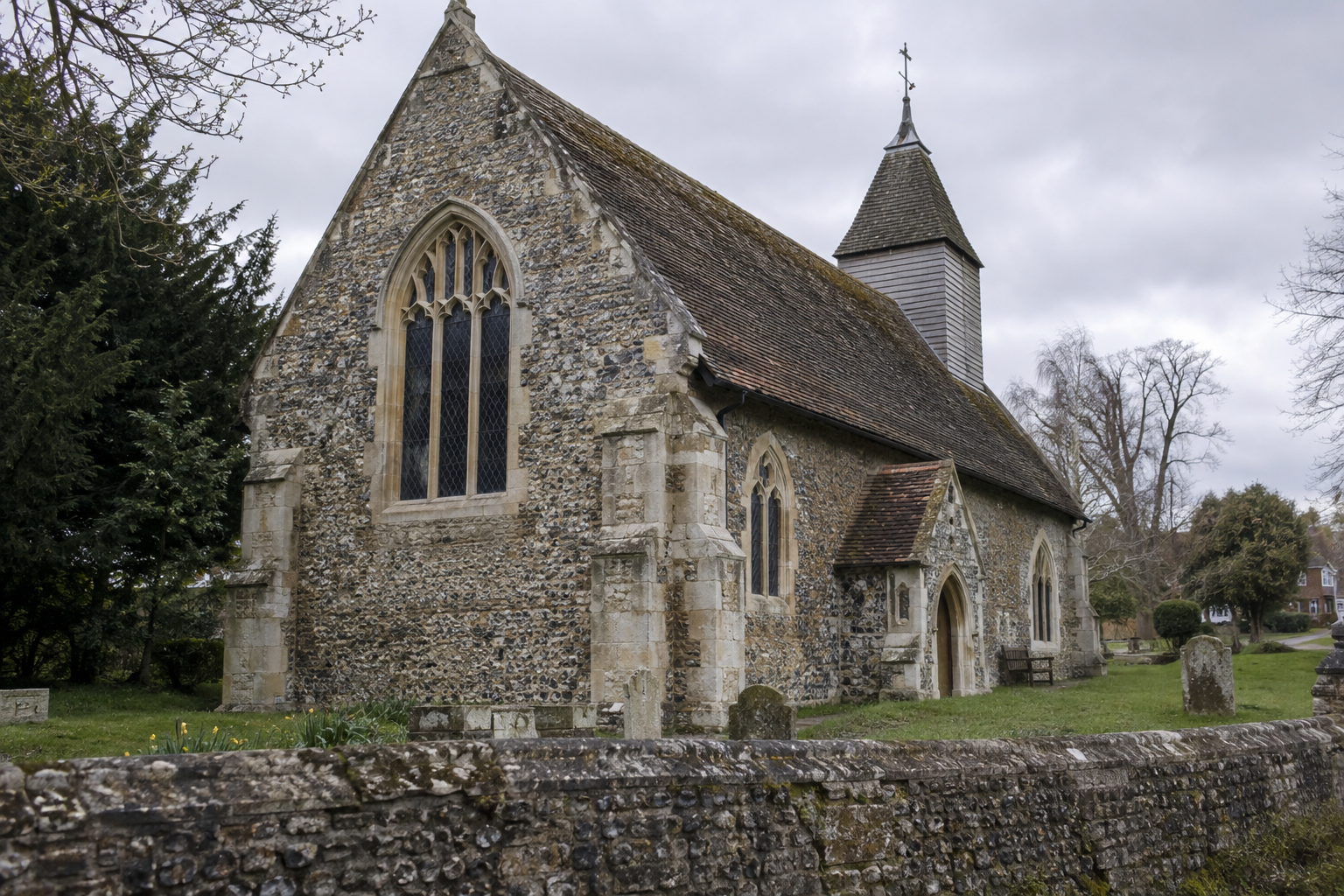
St Andrew’s Chapel retrofit has won the Conservation and Historic category for projects up to £20 million at the Architects’ Journal Retrofit Awards 2026, according to the Society for the Protection of Ancient Buildings (SPAB). The charity says its seven-year project repaired a Grade II* listed medieval chapel in Kent after more than half a century of decline.
SPAB describes the work as a conservation-led retrofit, bringing together repairs to historic building fabric, traditional crafts and environmental improvements. That combination is important to the nature of the award: the project involved adapting an existing building, not simply preserving it unchanged. SPAB does not identify the individual environmental measures in its announcement.
The work also served as a practical training project, according to SPAB. Around 100 conservation professionals, architects, surveyors and craftspeople gained hands-on experience through the way the repairs were organised. The reported benefit therefore extended beyond the chapel itself to people whose work involves caring for other older buildings.
The £20 million figure is the upper limit of the award category, not a statement of what the chapel repairs cost. SPAB does not give a final project budget in the announcement. For homeowners considering their own renovation, the award should therefore not be treated as a guide to either the price of conservation work or the cost of particular environmental upgrades.
The background
SPAB dates the chapel to the 15th century and identifies it as Grade II* listed. In England, Grade II* denotes a particularly important building of more than special interest. That status makes the effect of alterations on the building’s character a central consideration, rather than leaving decisions solely to an owner’s preferences or a contractor’s standard specification.
Under England’s listed-building rules, works affecting a listed building’s special architectural or historic character require listed building consent. Protection is not necessarily confined to its most visible exterior features; interiors can also matter. The importance of those details is explored in the listing of Barn Close and its Arts and Crafts interiors, another example of protection extending beyond a building’s outward appearance.
SPAB places the chapel project within a wider challenge: adapting historic buildings while retaining the specialist skills needed to maintain them. Its announcement points to a heritage and traditional-building skills plan backed by the Construction Industry Training Board (CITB). According to SPAB, the plan identifies workforce development, specialist training and environmental considerations as priorities for the sector.
The training element also connects the award to questions about access to suitable expertise for everyday repairs. Property Pulse UK has separately reported on heritage skills gaps and repairs to Scotland’s older homes. The chapel’s reported contribution is a specific one: practical experience for around 100 participants, rather than evidence that the wider shortage of specialist skills has been resolved.
Read moreGlasgow Cathedral spire repairs tackle damage linked to rusting steel fixings
What people are saying
SPAB chief executive Matthew Slocombe said the award demonstrated the continuing relevance of the skills used to care for the oldest buildings. His argument was that these methods remain necessary for their future, rather than belonging only to the past. That places the emphasis on maintaining practical knowledge as well as retaining historic materials.
Slocombe also presented repair, rather than replacement, as an approach SPAB hopes will influence work beyond this chapel. He linked that position to the principle championed by William Morris in 1877 and to SPAB’s approaching 150th anniversary. His comments express the charity’s wider conservation aims; they do not establish that every element of an older property can or should be retained.
According to SPAB’s account of the Architects’ Journal announcement, the judges praised the project for demonstrating a range of techniques for reviving a historic building. SPAB said the recognition reflected several of its conservation principles and working methods. The reported assessment concerns the project as a whole, rather than providing a published comparison of individual products, repair materials or energy systems.
SPAB credited the result to contractors, volunteer experts, participants and supporters, as well as the professional design team. It named Malcolm Fryer Architects as project architect, The Morton Partnership as structural engineer and PCS Consulting Services as services engineer. Those separate roles show that the project brought architectural, structural and building-services expertise into the same conservation programme.
What happens next
SPAB’s announcement reports an award for the completed repair project, rather than setting out a new phase of construction. It gives no timetable for further works, public access or future use of the chapel. Readers should not interpret the recognition as an announcement that the building is opening for visits or that another funded programme is about to begin.
The wider skills agenda provides a separate area to watch. SPAB points to the CITB-backed plan, while the proposed traditional-building retrofit centre in a former Falkirk factory is another initiative concerned with this field. Neither the chapel award nor SPAB’s announcement establishes when additional training opportunities will become available to homeowners’ local contractors.
For owners of listed homes in England, an award-winning project elsewhere does not establish which alterations will be acceptable at their property. The practical starting point remains the building’s own significance and the effect of the proposed work on its character. Where listed building consent is required, recognition of similar techniques at another site does not remove that requirement or guarantee approval.
For readers primarily interested in lower energy bills, the evidence in SPAB’s announcement has a clear limit. It reports environmental upgrades but supplies no before-and-after energy consumption, running costs or carbon figures. The award therefore offers recognition of a conservation approach, but not a measured savings forecast that a household could use to assess the payback from its own retrofit.
Why this matters
For owners of older homes, SPAB’s project brings together two concerns that can otherwise be considered separately: caring for historic materials and adapting a building for the future. Its reported training programme also highlights the role of specialist expertise in delivering that work. The award does not provide a household cost benchmark or an energy-savings forecast, but it gives recognition to a repair-led approach that owners can discuss when planning changes to a historic property.
Your questions answered
+What award did St Andrew’s Chapel win?
According to SPAB, the chapel won the Conservation and Historic category for projects up to £20 million at the Architects’ Journal Retrofit Awards 2026.
+Where is St Andrew’s Chapel?
SPAB identifies the award-winning chapel as a Grade II* listed, 15th-century building in Kent.
+How long did the St Andrew’s Chapel retrofit take?
SPAB says the conservation-led retrofit took seven years. The charity reports that the chapel had experienced more than half a century of decline before its rescue.
+Did the chapel renovation cost £20 million?
SPAB does not disclose the final cost in its announcement. The £20 million figure is the upper limit of the award category, not the stated project budget.
+What work was carried out at St Andrew’s Chapel?
According to SPAB, the project combined repairs to historic fabric, traditional building crafts and environmental upgrades. Its announcement does not specify the individual environmental measures.
+How many people trained on the chapel project?
SPAB reports that around 100 conservation professionals, architects, surveyors and craftspeople received hands-on training through the project.
+Do I need listed building consent for a retrofit?
In England, works affecting a listed building’s special architectural or historic character require listed building consent. An award for work at another property does not remove that requirement.
+How much energy did the chapel retrofit save?
SPAB’s announcement gives no before-and-after energy consumption, running costs or carbon figures. It cannot be used to calculate likely savings for a home retrofit.
This story draws on reporting first published by SPAB News.

Priya Raman, Environment & Homes Reporter
Priya reports on how weather and climate affect British homes, from flooding to drought-driven subsidence. She trained at Cardiff University's school of journalism and has covered environment stories across Wales and the South West.